First things first, what on earth is domain authority?
Simply put, it is a ranking out of 100 as to how much authority your website domain has.
So, for example, something like BBC News will have broad appeal and ranks as 95/100, whereas a more niche title such as British Fencing has a domain authority of 47.
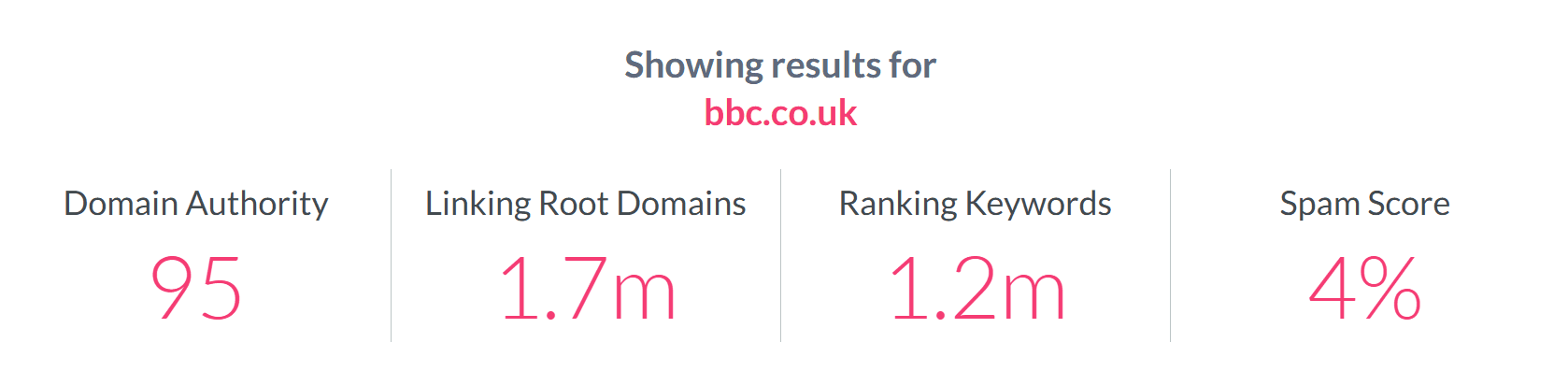
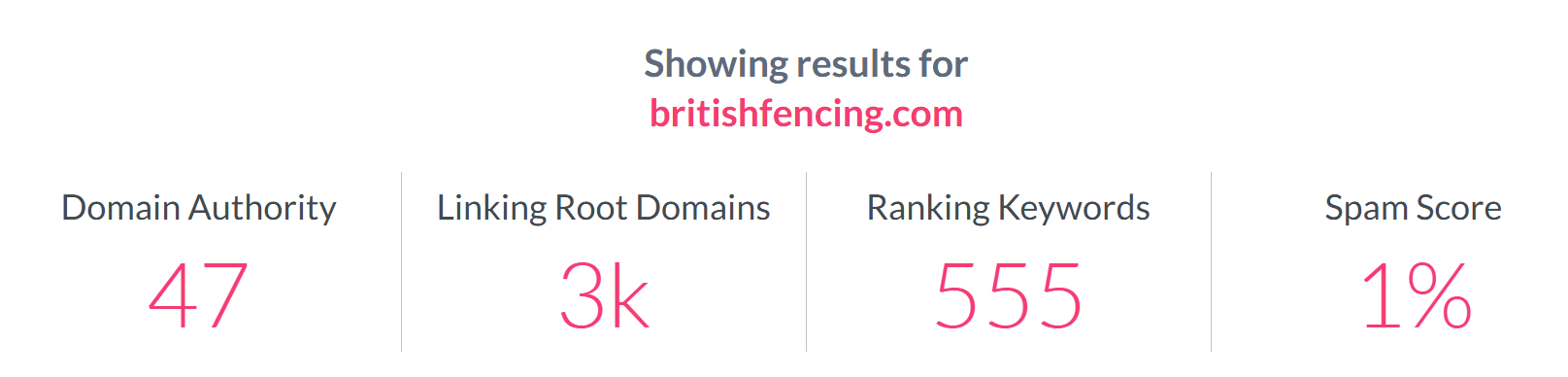
While no one is going to turn down a feature on the homepage of the BBC, a lower ranked but highly targeted domain authority may have more relevance for your brand (and more of a positive impact on your bottom line).
The online shift
The growing strategic importance of digital PR led to a wave of very dry articles, written for technical SEO reasons, rather than strategic, storytelling-led comms focused on audiences.
Now storytelling and brand mentions are more important than ever thanks to the growing use of LLMs (large language models) by the public. Whilst Google is notoriously coy about sharing the details of how their search engine ranking works, it has shared that brand mentions, even those that aren’t linked back, are extremely valuable from an SEO (search engine optimisation) perspective.
What we’re seeing now is that those citations online and these brand mentions are being pulled through by LLMs in search queries.
The recent report from McKinsey in 2025 revealed that around 44% of people use ChatGPT or an equivalent for search first, ahead of a search engine, leading businesses to question whether they will be left behind by the rise of AI.
If your brand can answer the question that the end user is asking (“where’s the best place to buy XYZ”) then you are likely to be mentioned in that response. But the key thing to remember is that LLMs such as ChatGPT are pulling from the Internet as this is the data pool it has access to, and not every LLM will rank and include citations in the same way.
As a result, the credible backlinks and citations you have earnt through PR are even more important. So, if you’ve earned coverage on the BBC, backlink or not, that is a strong sign to LLMs that you are a legitimate authority in that space.
It’s not an exact science (yet!), but we know that solid comms tactics will always be important. Campaigns don’t need to be fancy or complicated you just change what you’re measuring in terms of success.
At apt, it’s why we’ve created our Authority Engine™ for clients – a way for brands to build and earn authority online from high quality media coverage, backlinks, and brand mentions.
Where to start
Strategy wise, start with a backlinks baseline (try saying that in a hurry!) – where is your brand mentioned and/or linked online? Then look at competitors and their backlinks as a gap analysis – where are they mentioned and/or linked? Why are they? Should you be too?
Knowing this gives you a strong starting point from which to outline a solid comms strategy and ensure your future success online.